



The Hestra Edit
Getting the most from a pair of Hestra gloves is straightforward once you understand how they're designed to work. Your hands are the first part of your body to feel the cold — they sit furthest from your core, and your body prioritises warmth elsewhere first.

The Leather
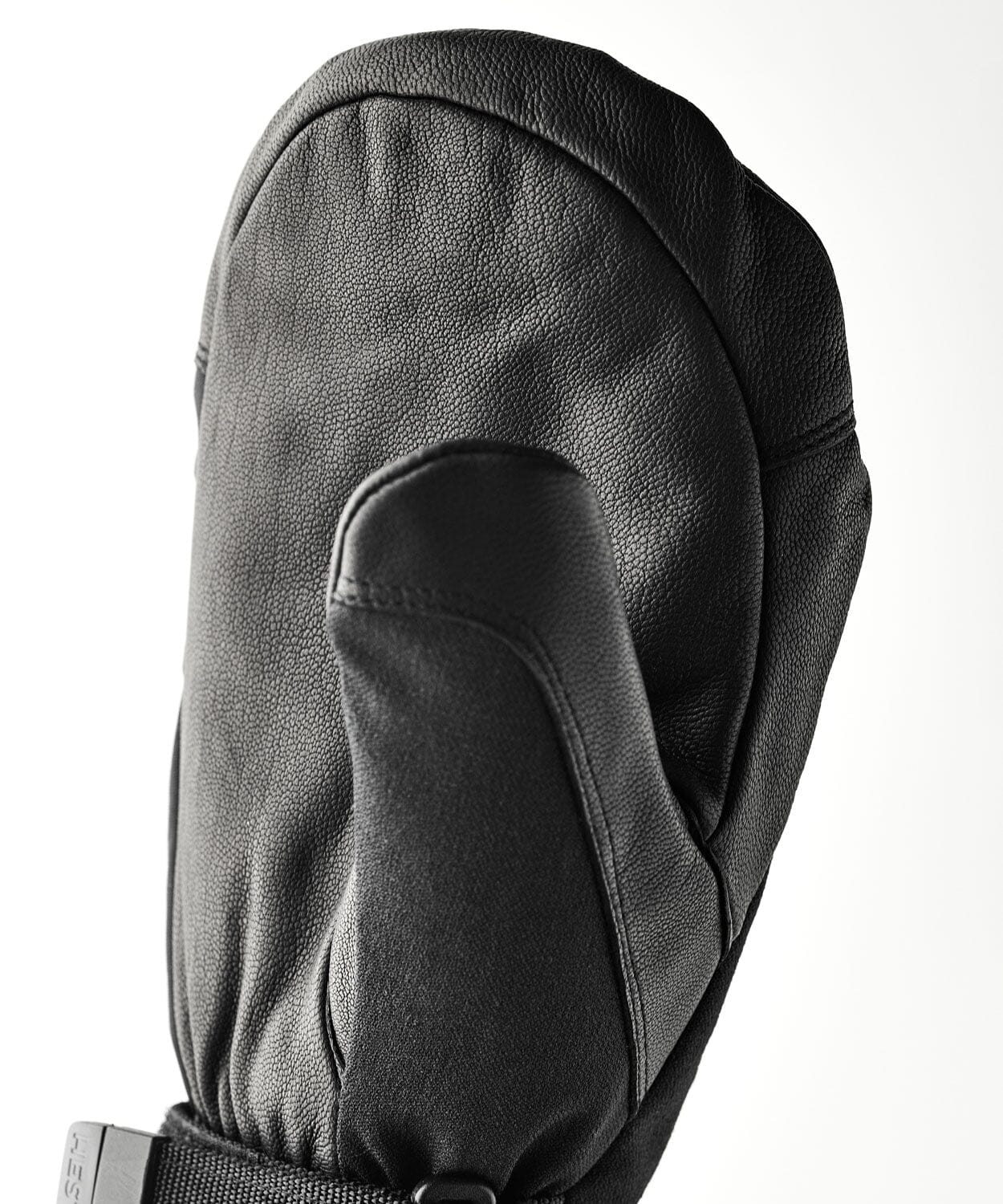
Hestra leads with leather as a functional decision, not a style one. Each hide is chosen for a specific combination of durability, flexibility and feel. All leather Hestra gloves benefit from regular treatment with Hestra Leather Balm or Leather Lotion to maintain suppleness and water resistance over time.
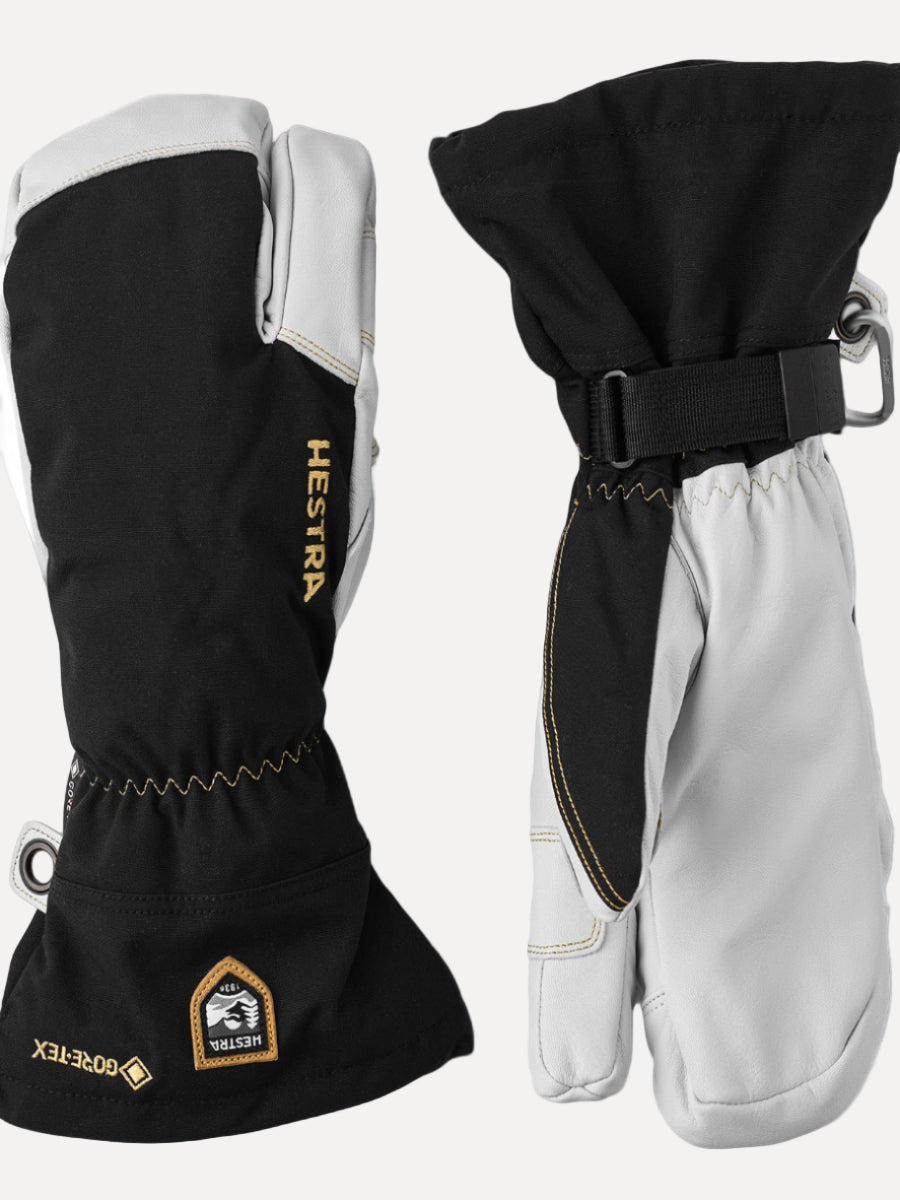
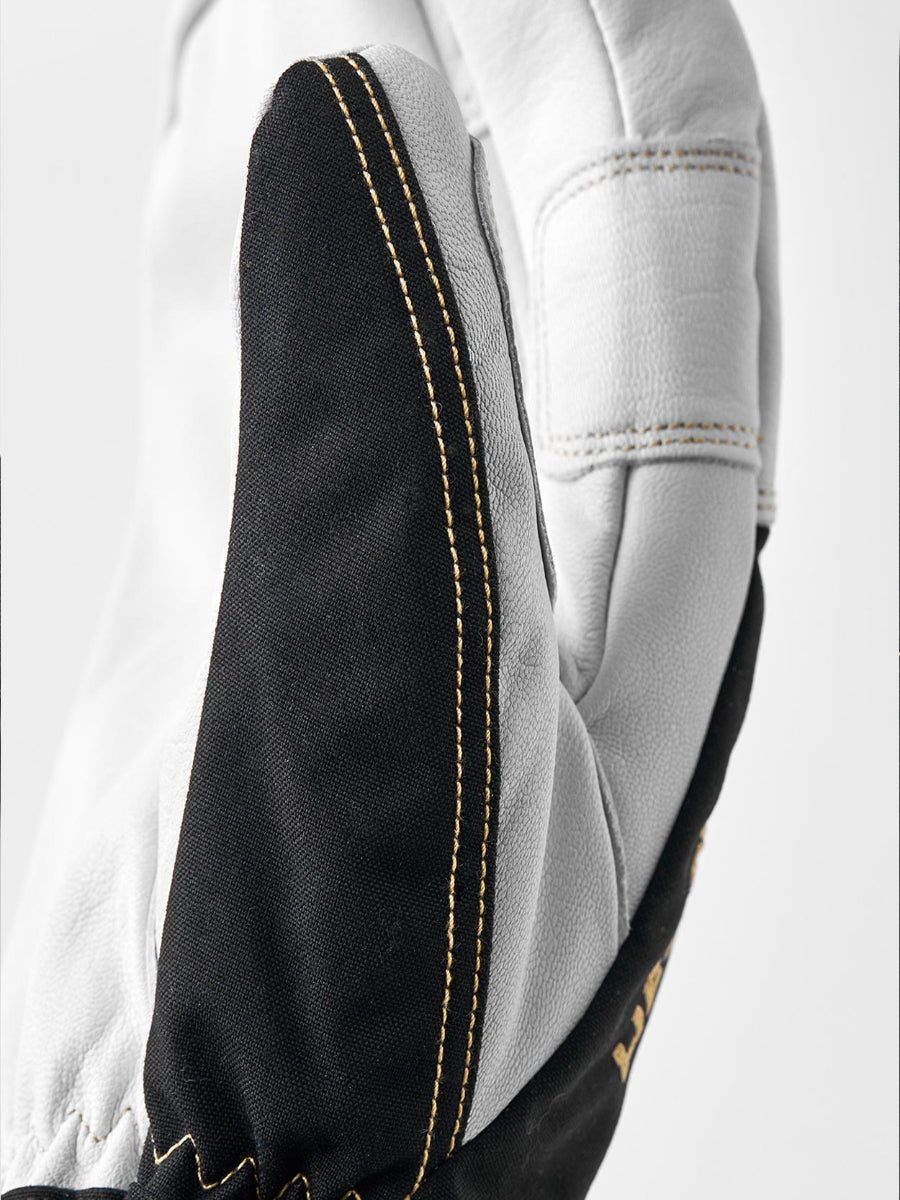
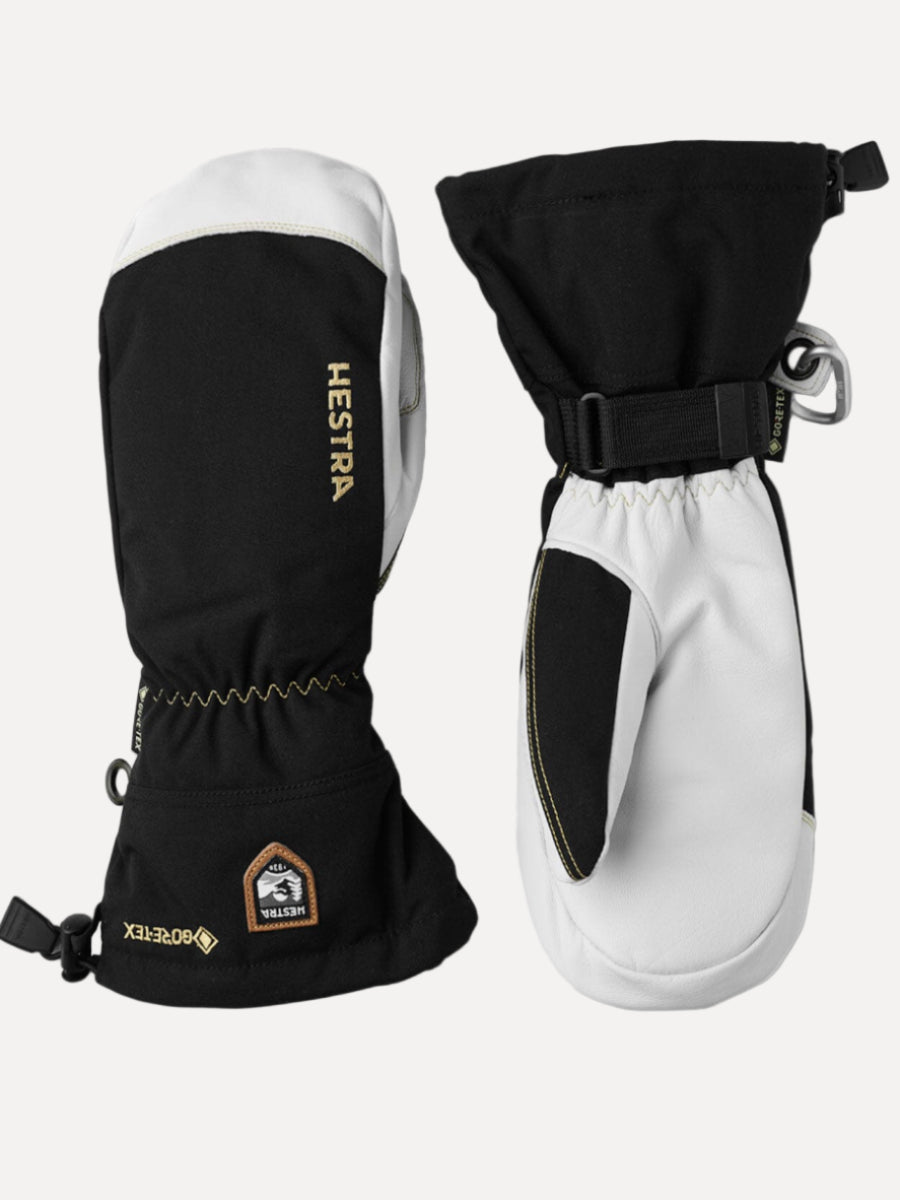
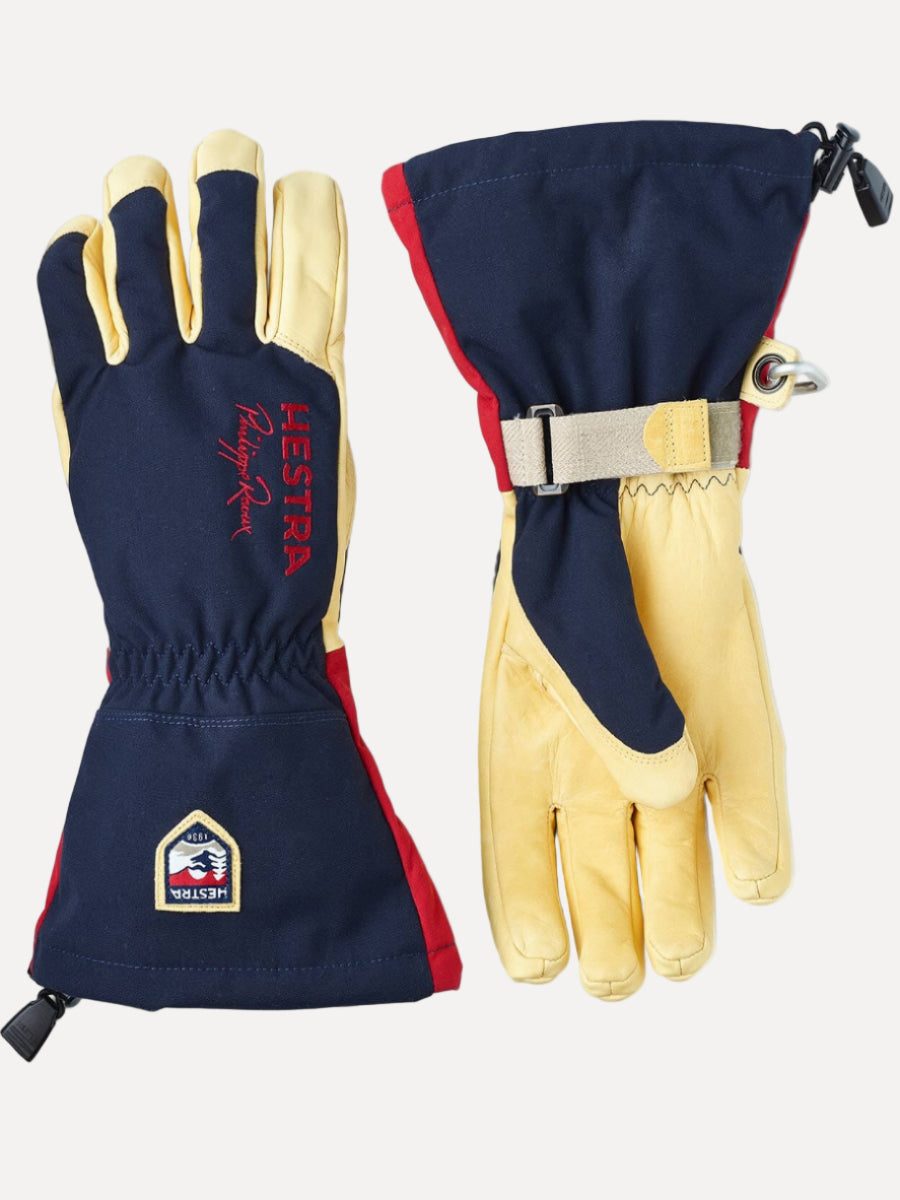
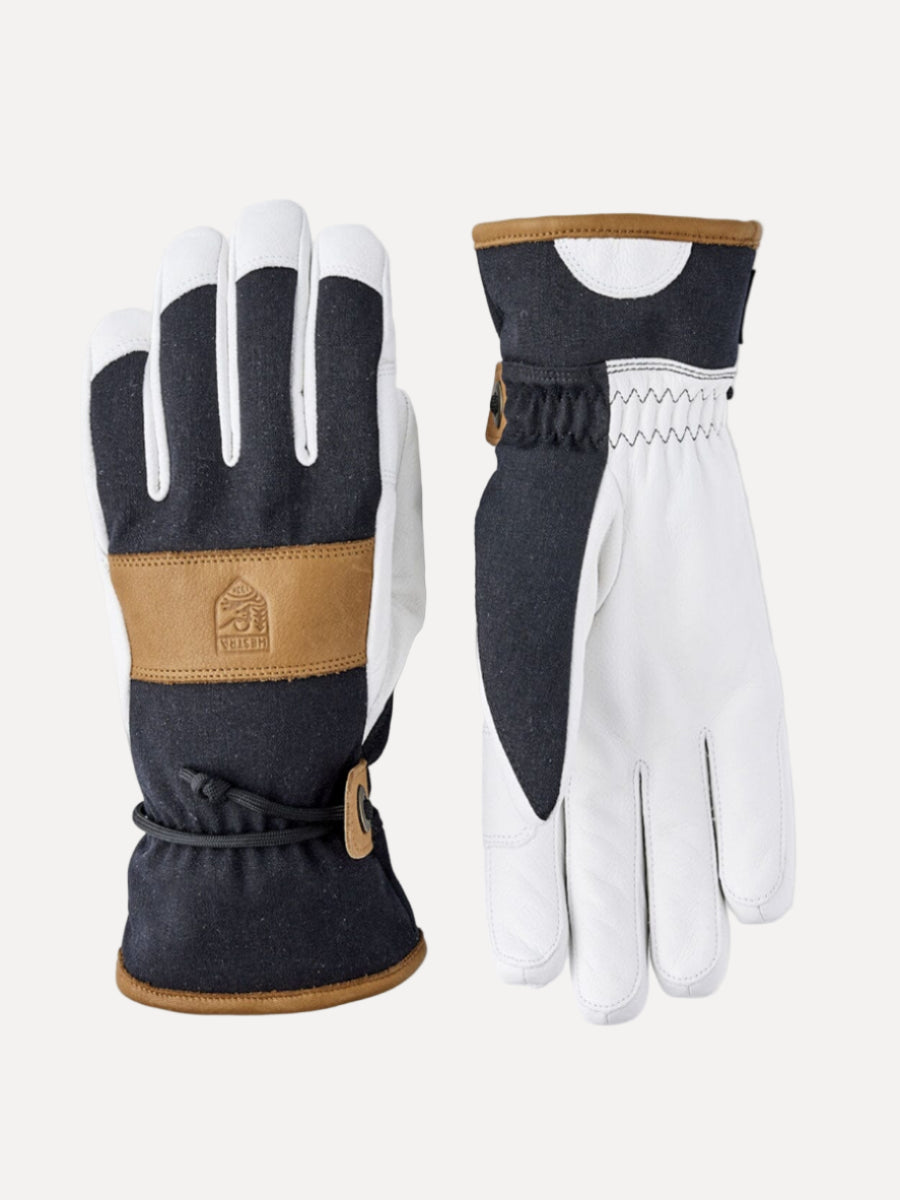
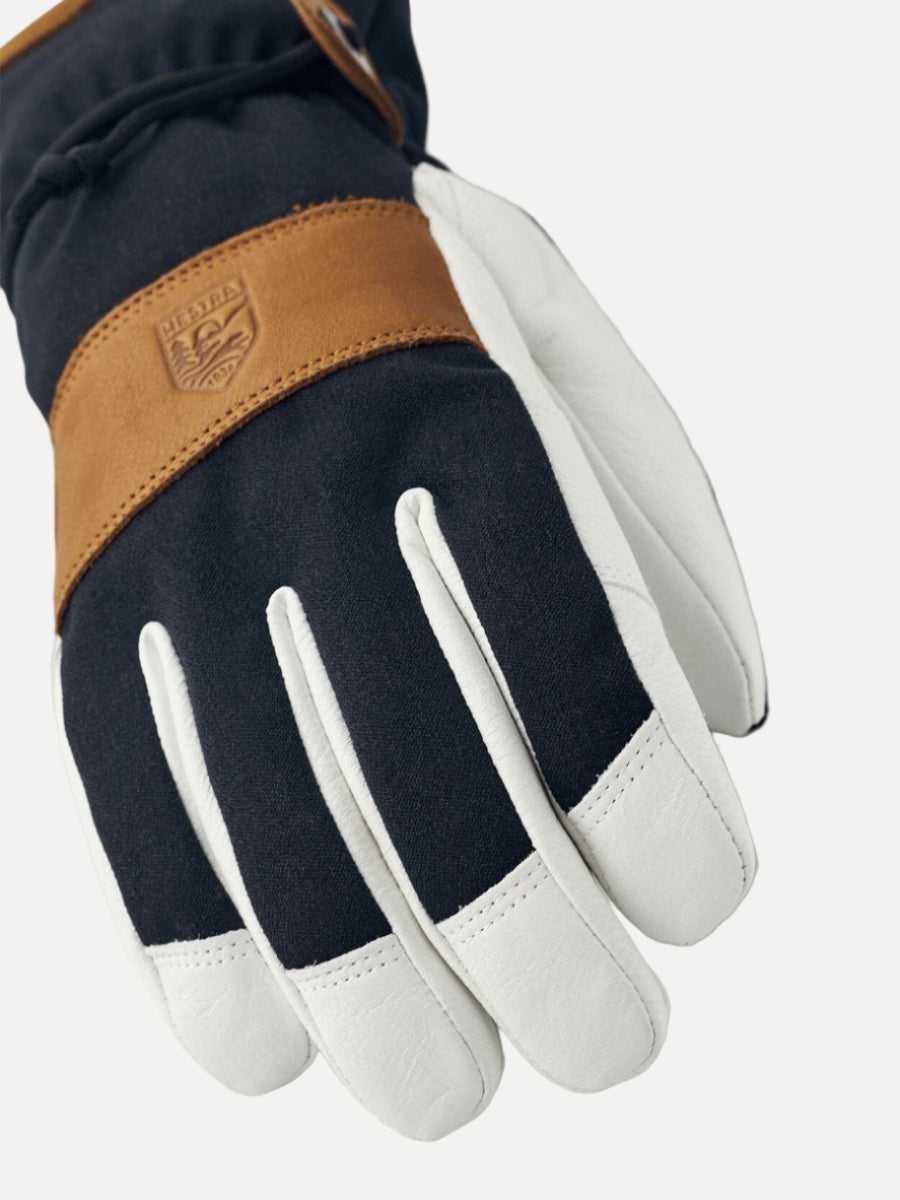
Army Leather — The most durable leather in the range. A specially treated goatskin originally developed for the Swedish military — white because it was designed to disappear into snow. Thoroughly waterproofed with a structural integrity that withstands genuinely hard outdoor conditions. Found on the Heli Ski and Gore-Tex lines.
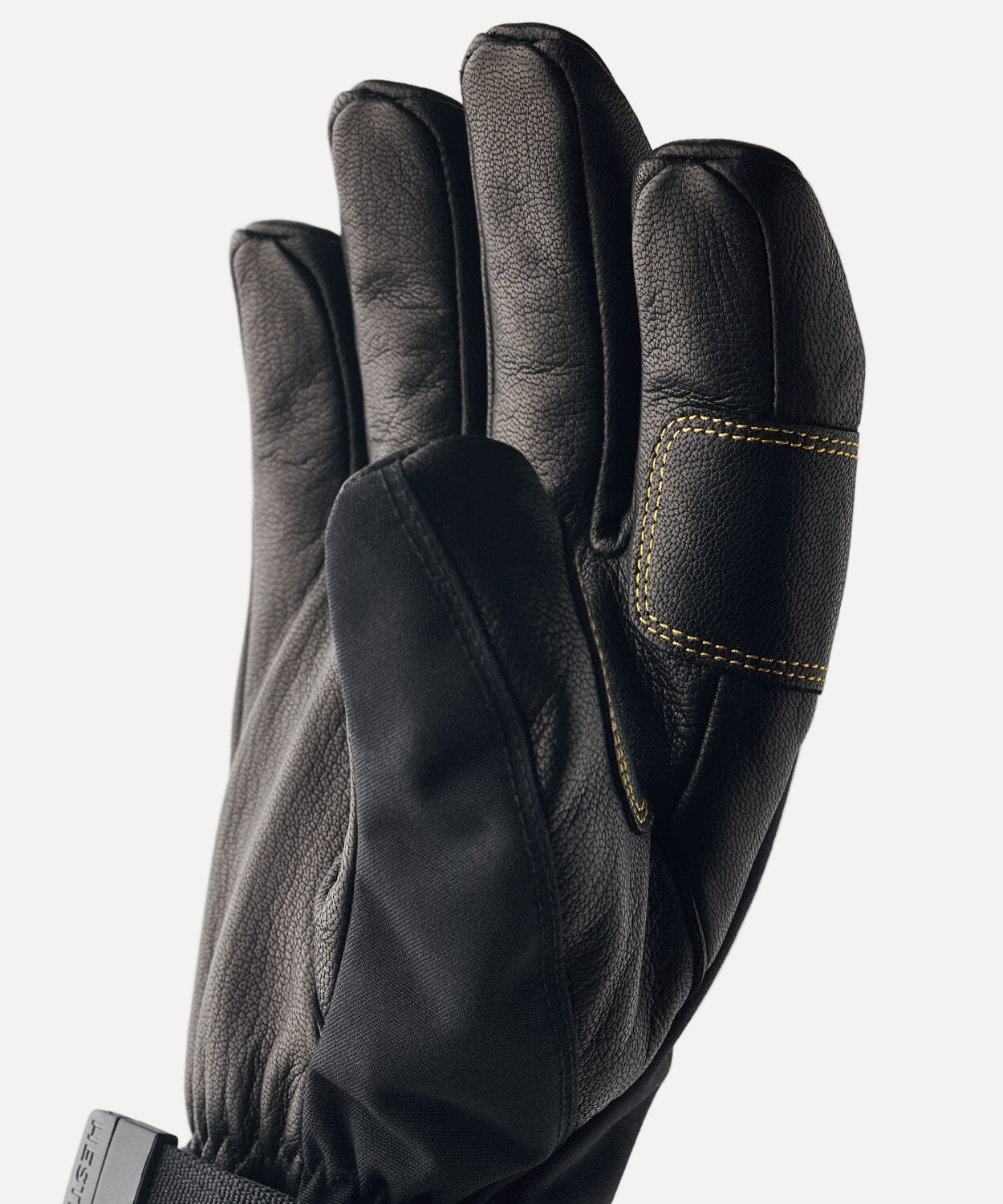
Goat Leather — Supple yet durable, with a natural grain and high strength relative to its thickness. Well-balanced between flexibility, dexterity and durability. The material of choice for sport and ski gloves where precision and comfort matter. Naturally resistant to moisture and abrasion.
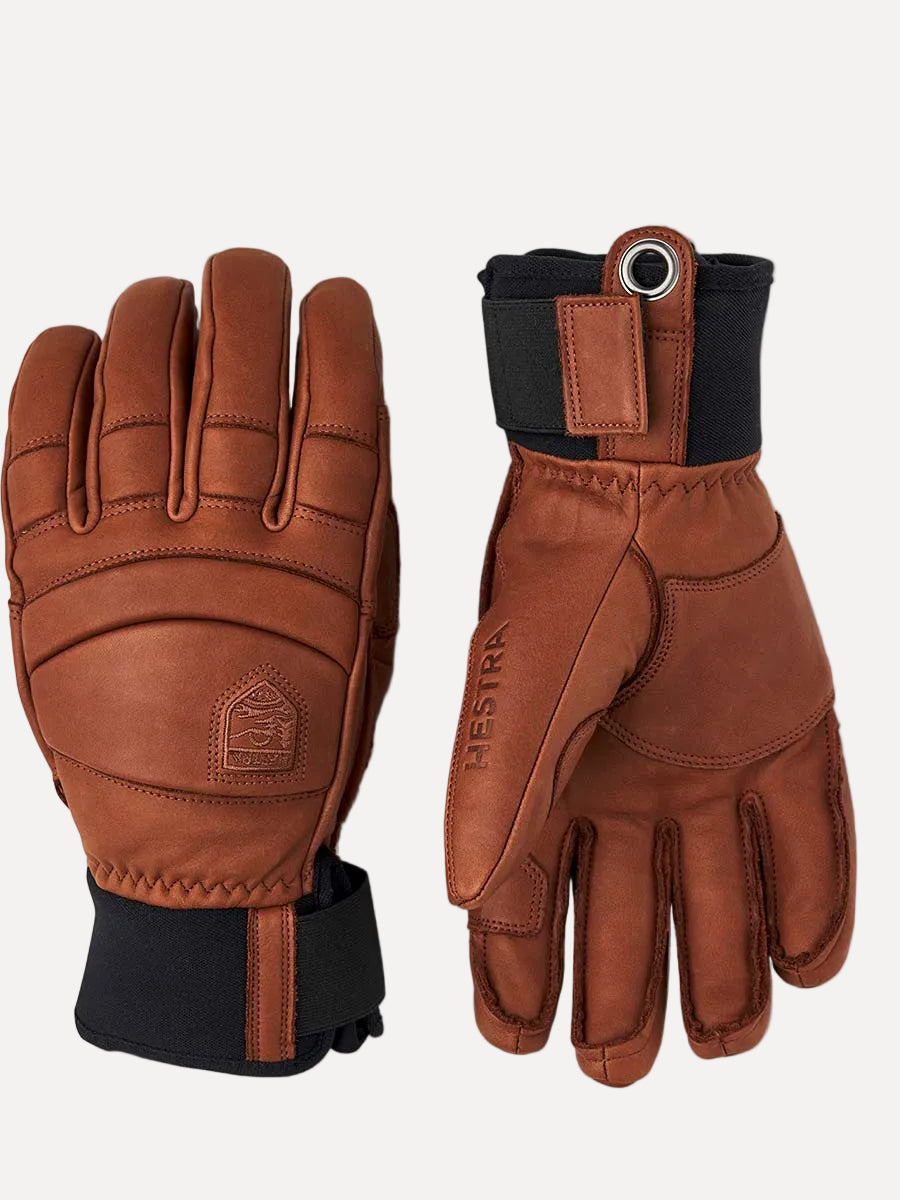
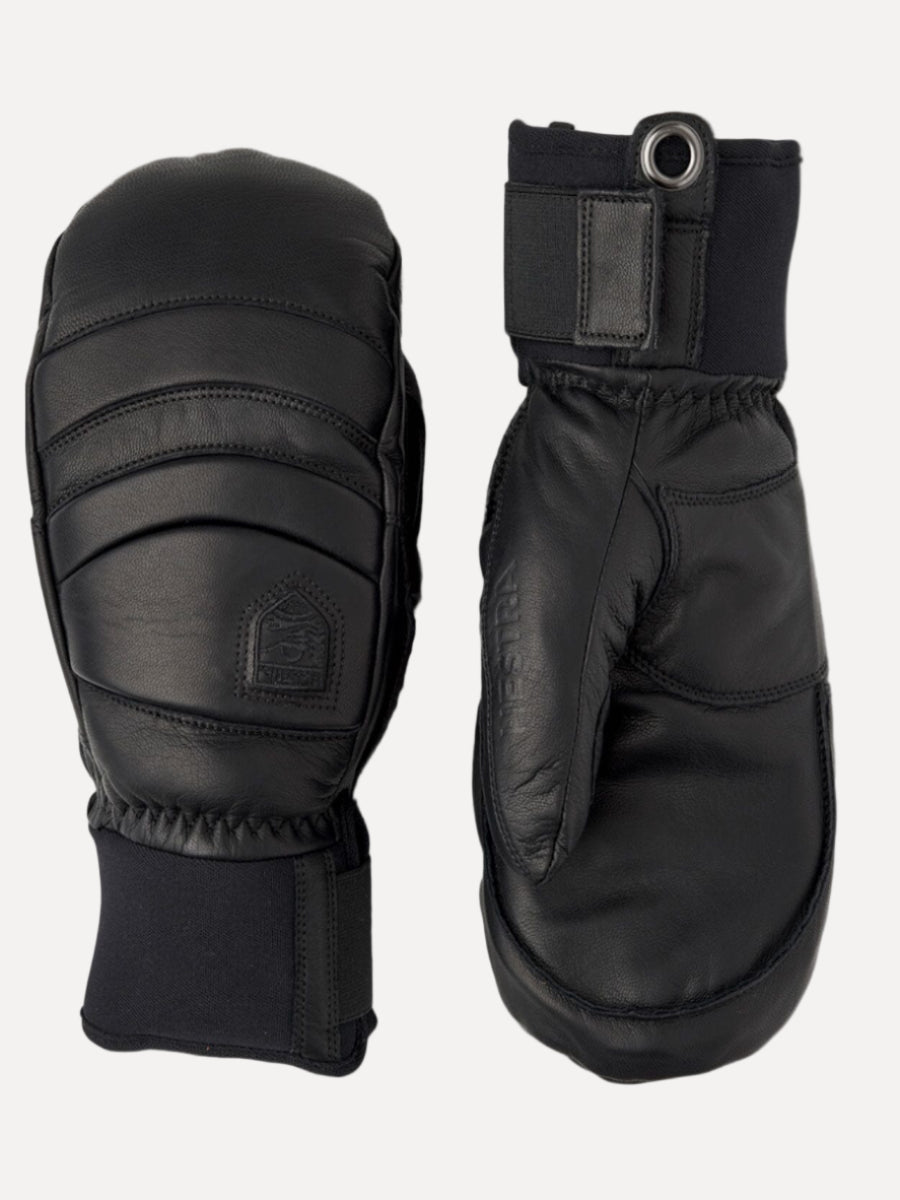
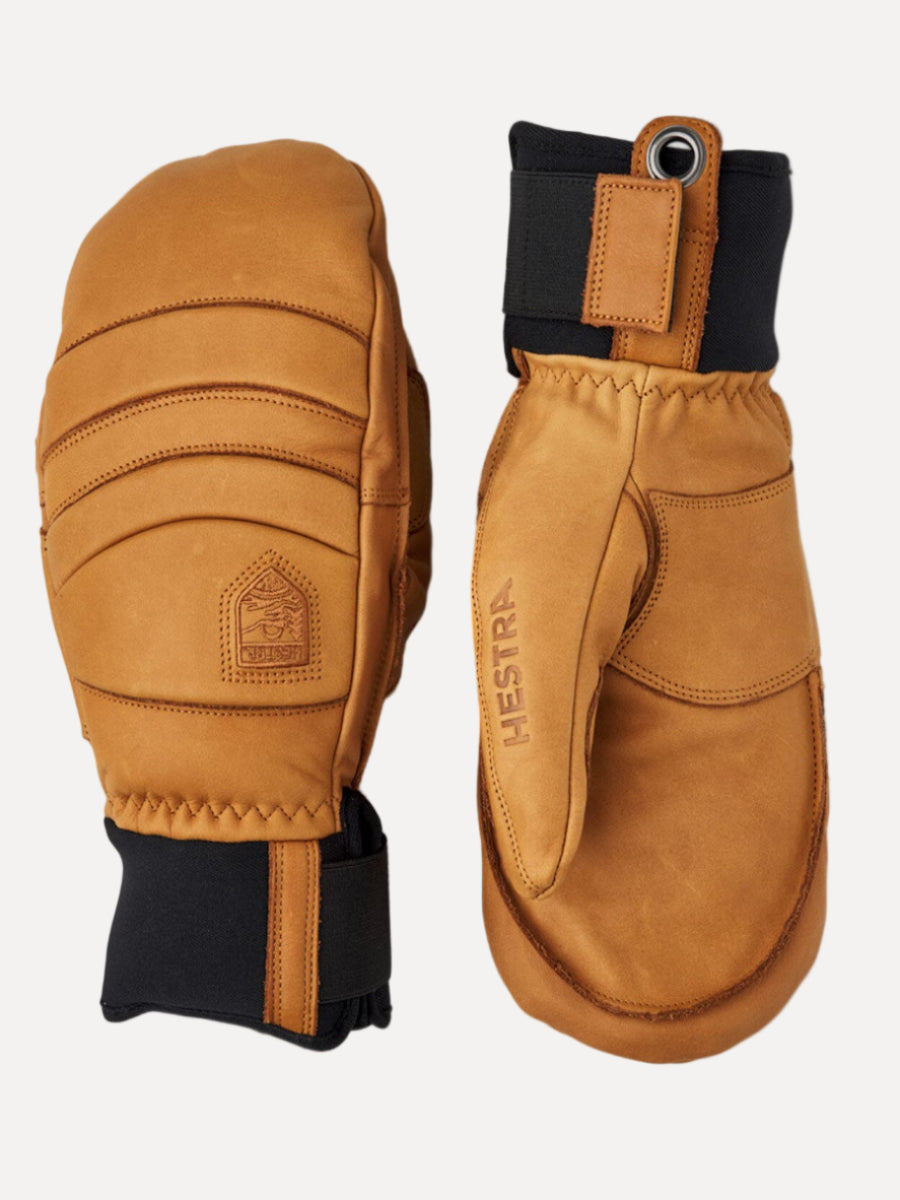
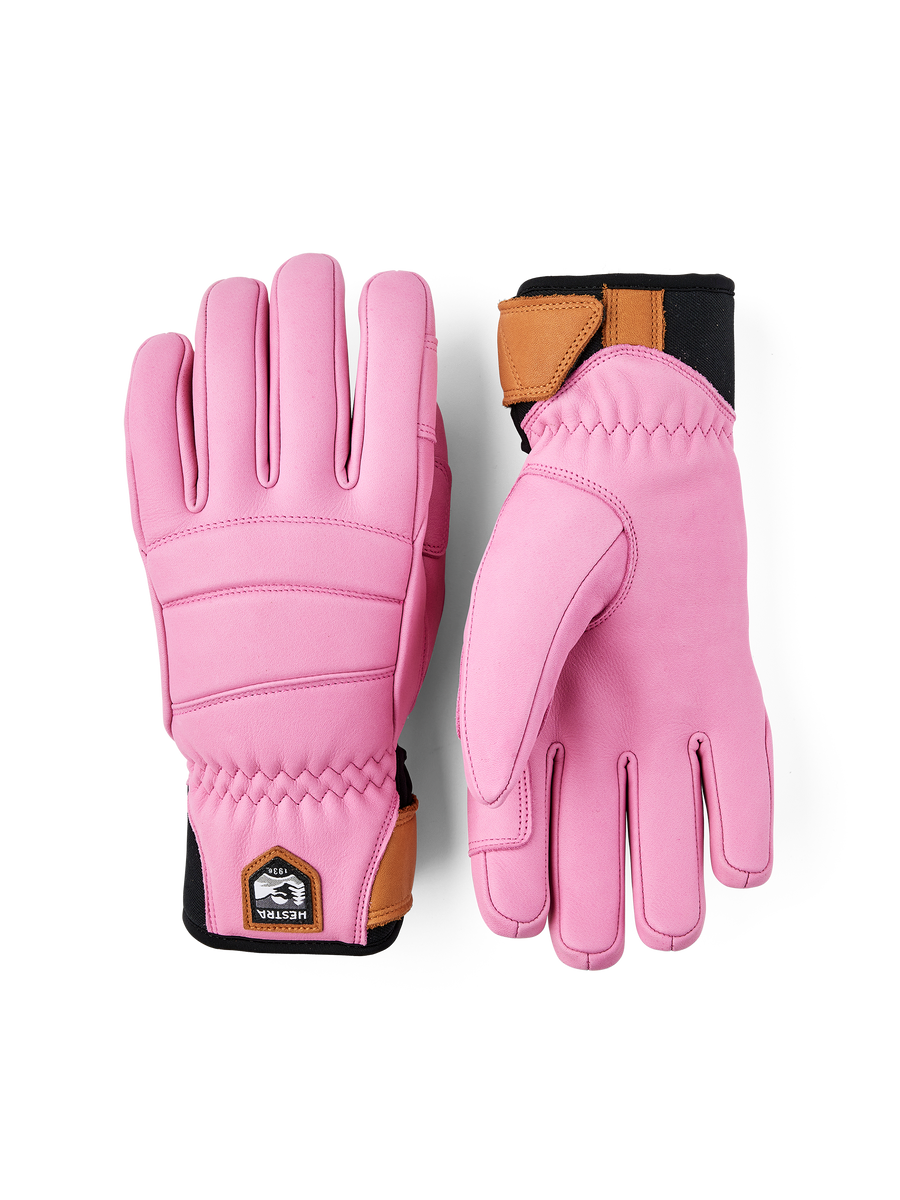
Cowhide — Robust with a firm structure and strong protective qualities. Develops a beautiful patina over time and produces gloves with a long lifespan. Used in ski, work and outdoor gloves where durability is the priority. The Fall Line is built on cowhide — firm at first, exceptional after a season of use.
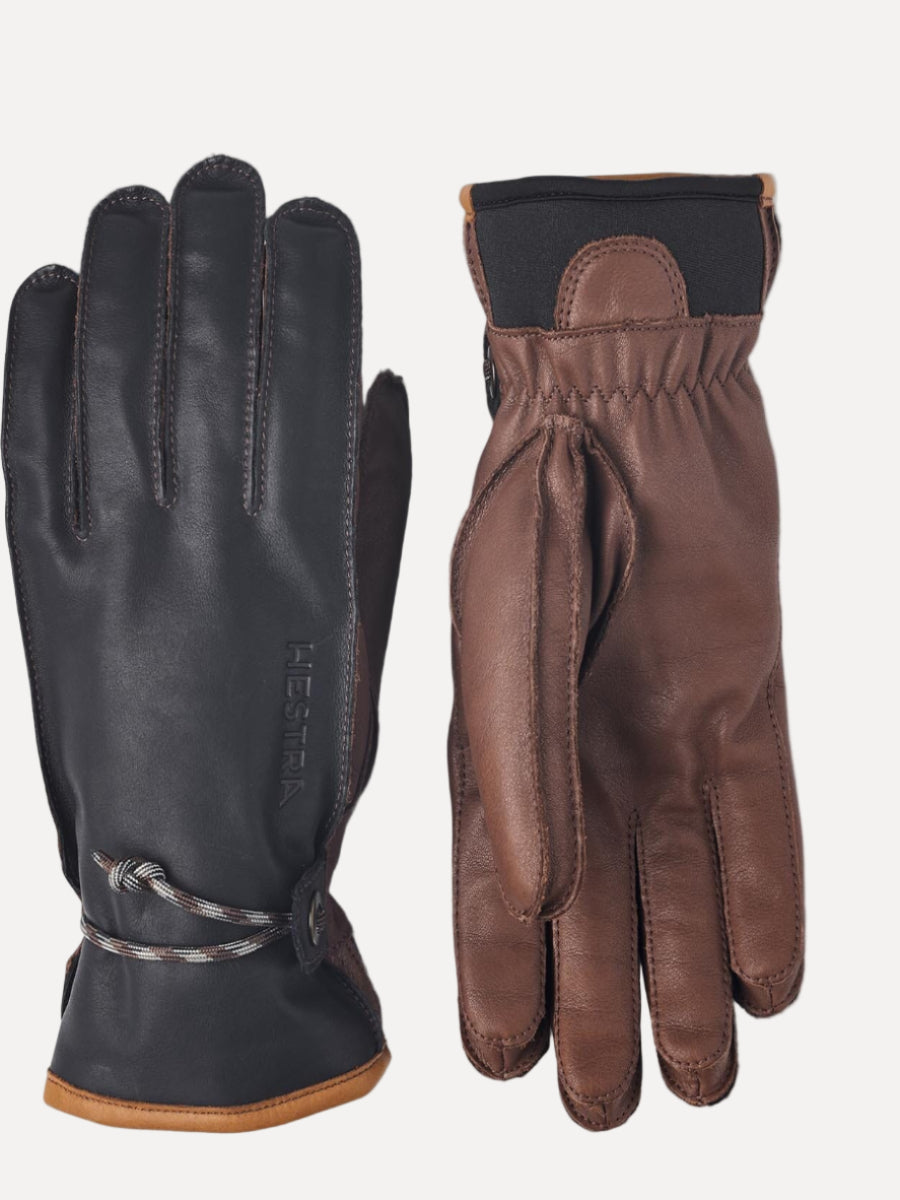
Deerskin — Exceptionally soft with natural elasticity and strong insulating properties. Stays supple even in cold conditions. Used in winter gloves focused on warmth, flexibility and comfort.
Elk Leather — Thick and highly durable with a robust character. The natural thickness provides both protection and insulation, making it suited to heavier winter gloves where durability and warmth come first.
Nubuck — The outer surface of the leather is finely sanded to create a soft, matte finish. Good flexibility, a refined appearance, and a comfortable hand feel. Used in both fashion and outdoor styles.
Suede — A brushed leather with a warm, tactile feel and natural elasticity. More sensitive to moisture and dirt than smooth leather, so regular impregnation is important to maintain the surface.
The Insulation
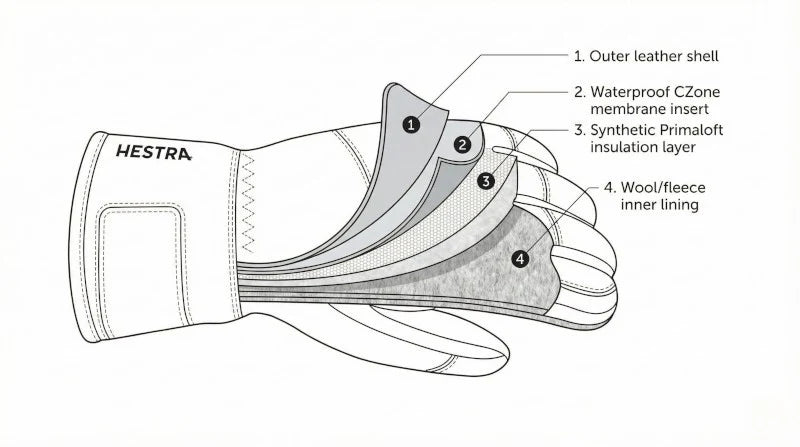
G-Loft is Hestra's synthetic fill of choice: higher warmth-to-weight than foam, won't compress and lose loft the way cheaper fills do. Found in the Army Leather Gore-Tex and Heli Ski lines — the gloves you reach for when the temperature actually drops.
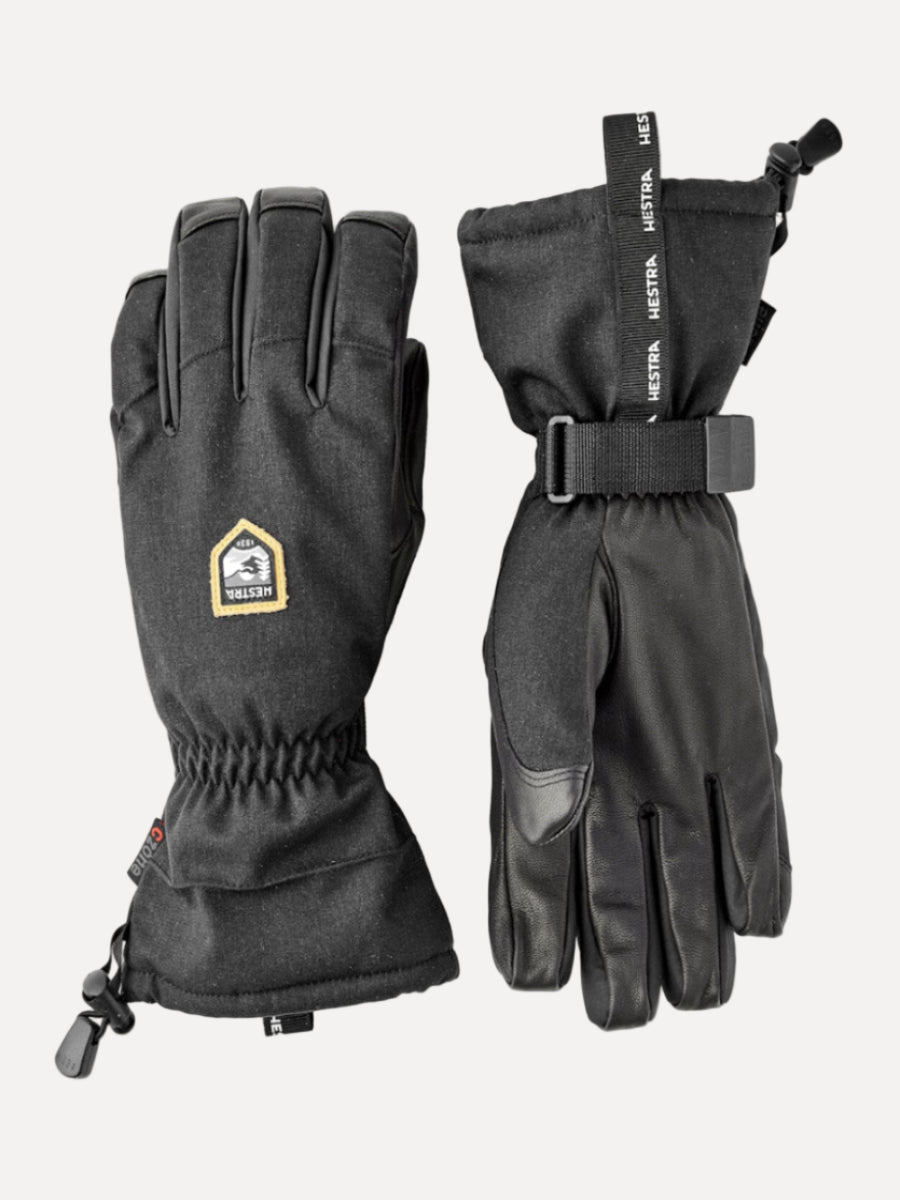
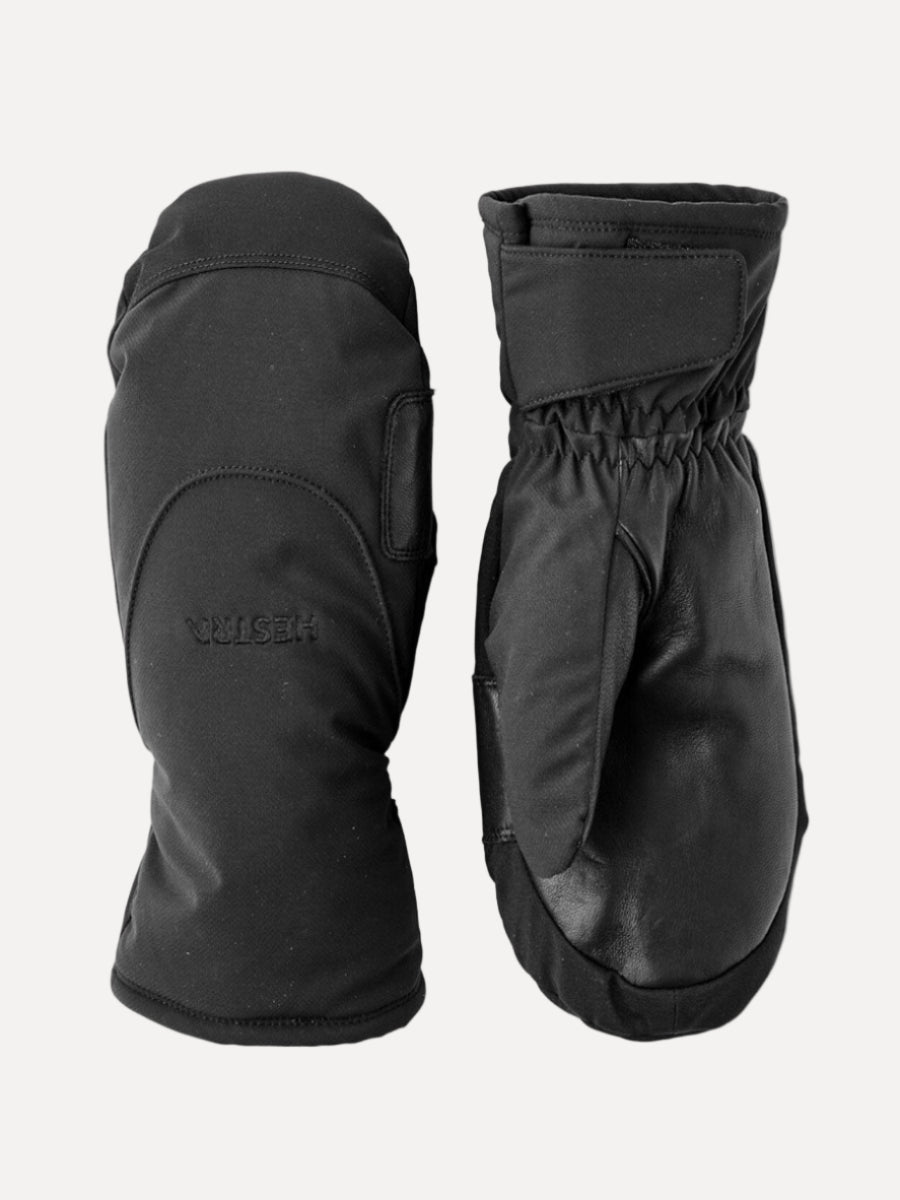
Foam insulation keeps the Fall Line lean and dexterous. It's not a cold-weather glove — it's a precision glove for skiers who want their hands to feel like an extension of the pole.
Both the Fall Line and Heli Ski feature removable liners — customise your insulation level, or pull them out and wash them mid-season. It's a detail that makes a real difference across a long winter.
The Cuff
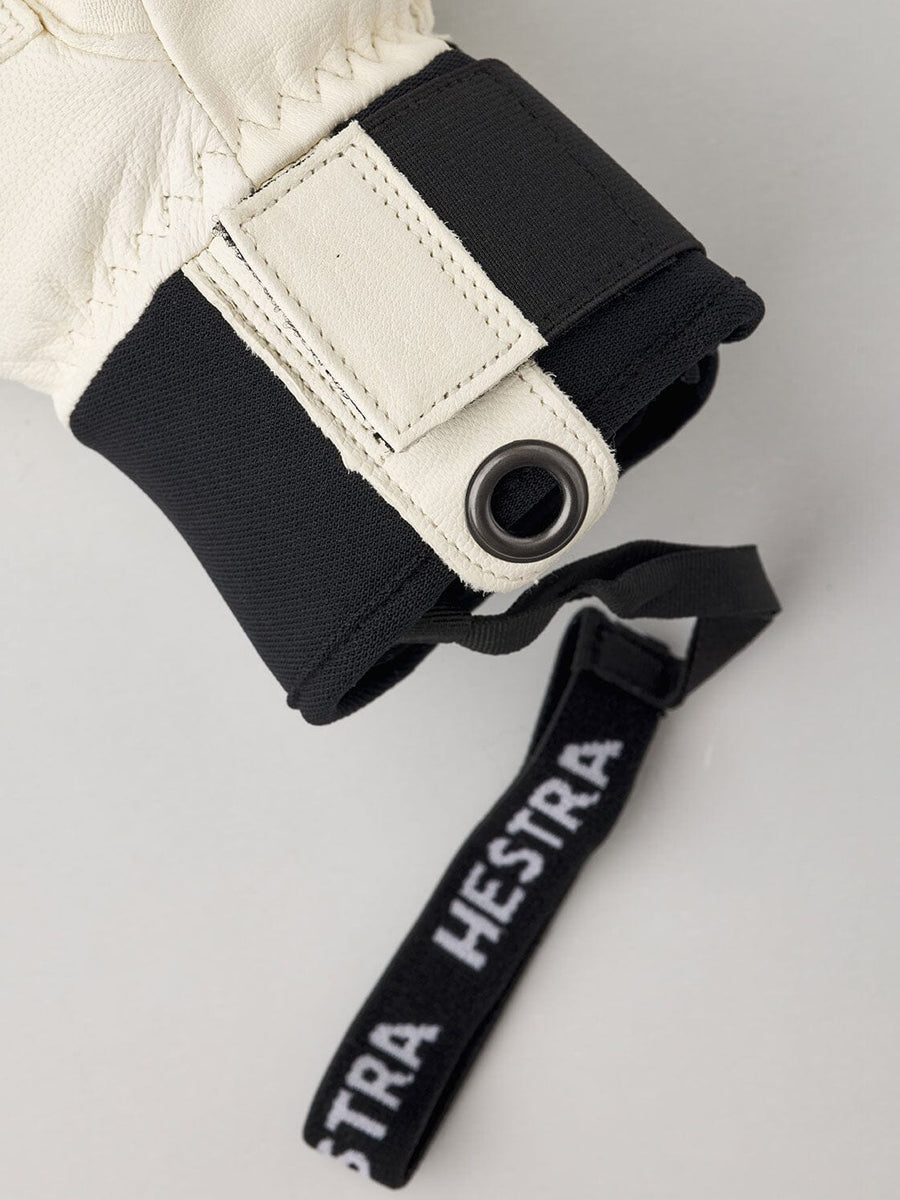
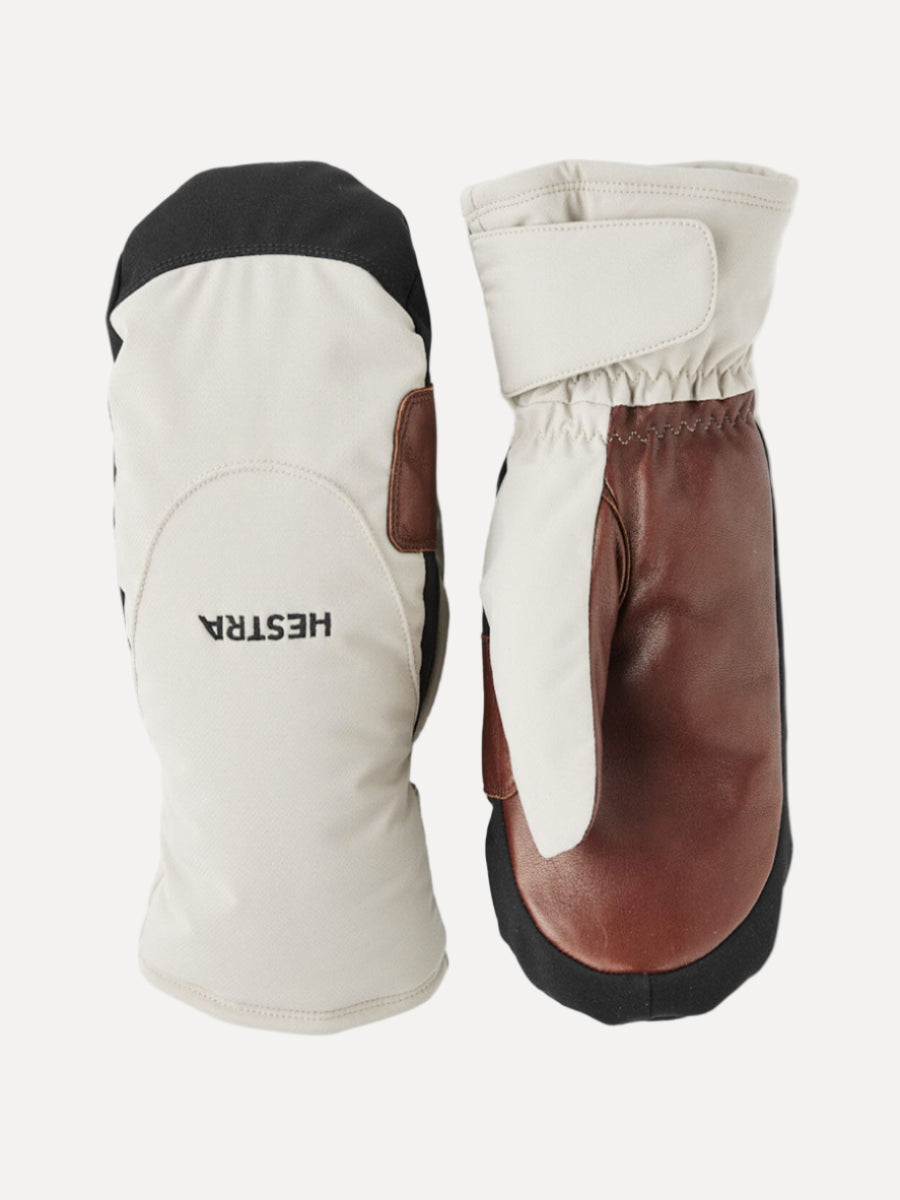
Short cuff (Fall Line): slides under your jacket sleeve. Works best with a jacket that has internal wrist gaiters.
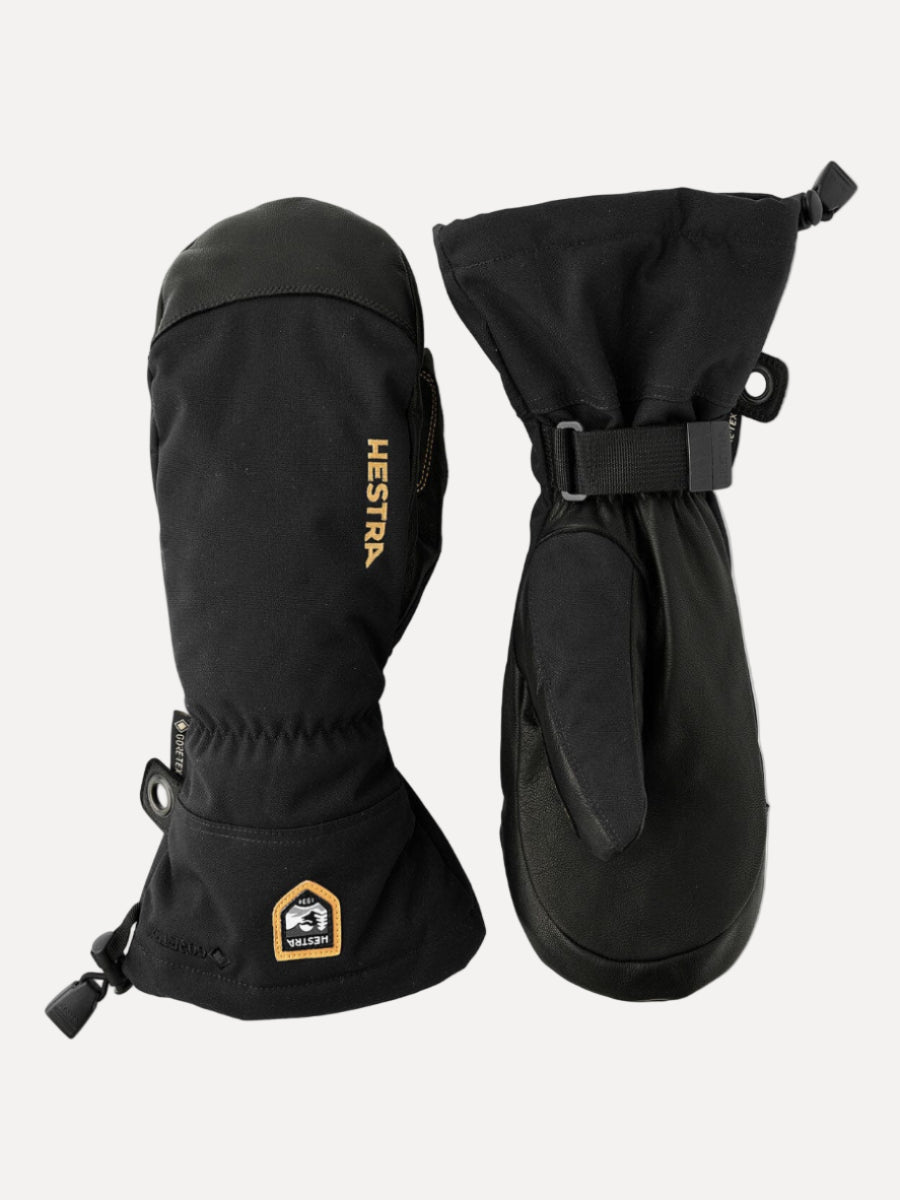
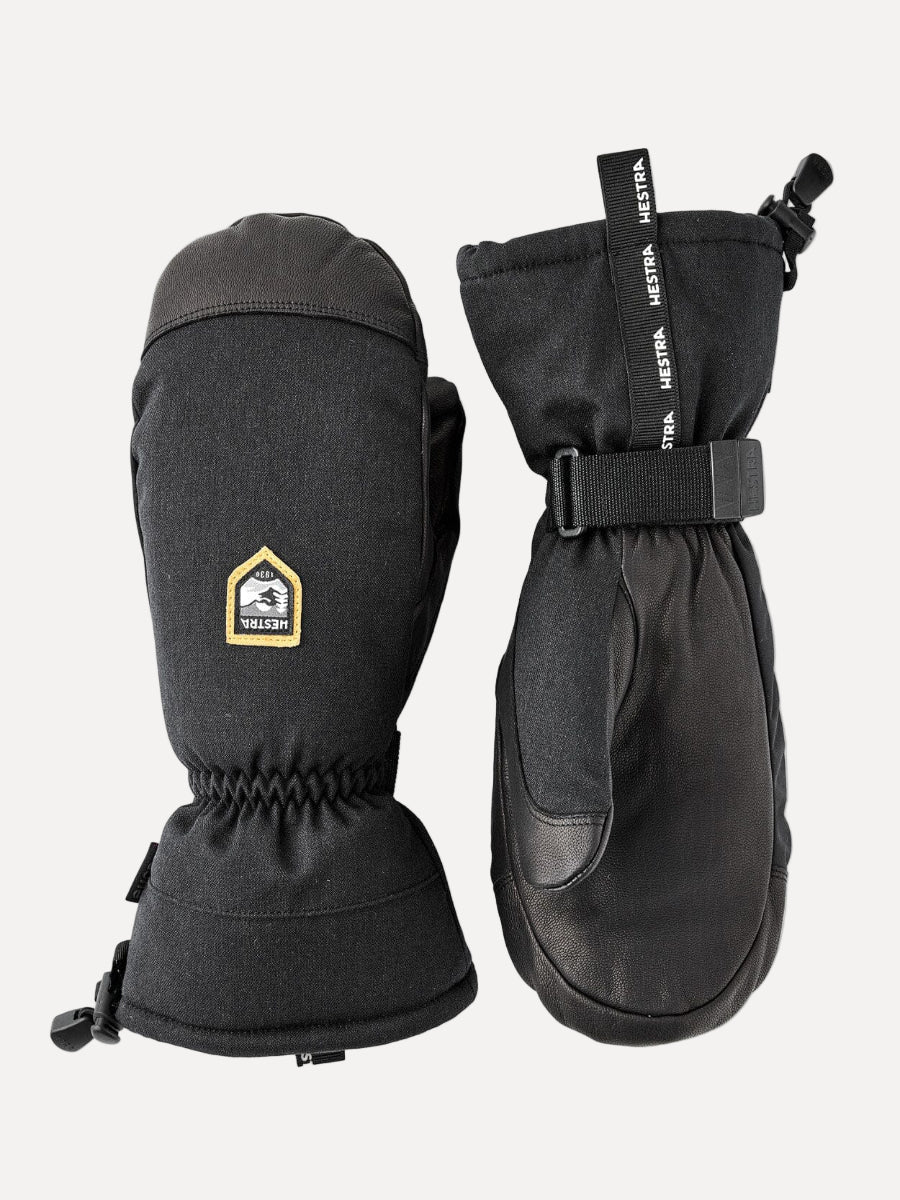
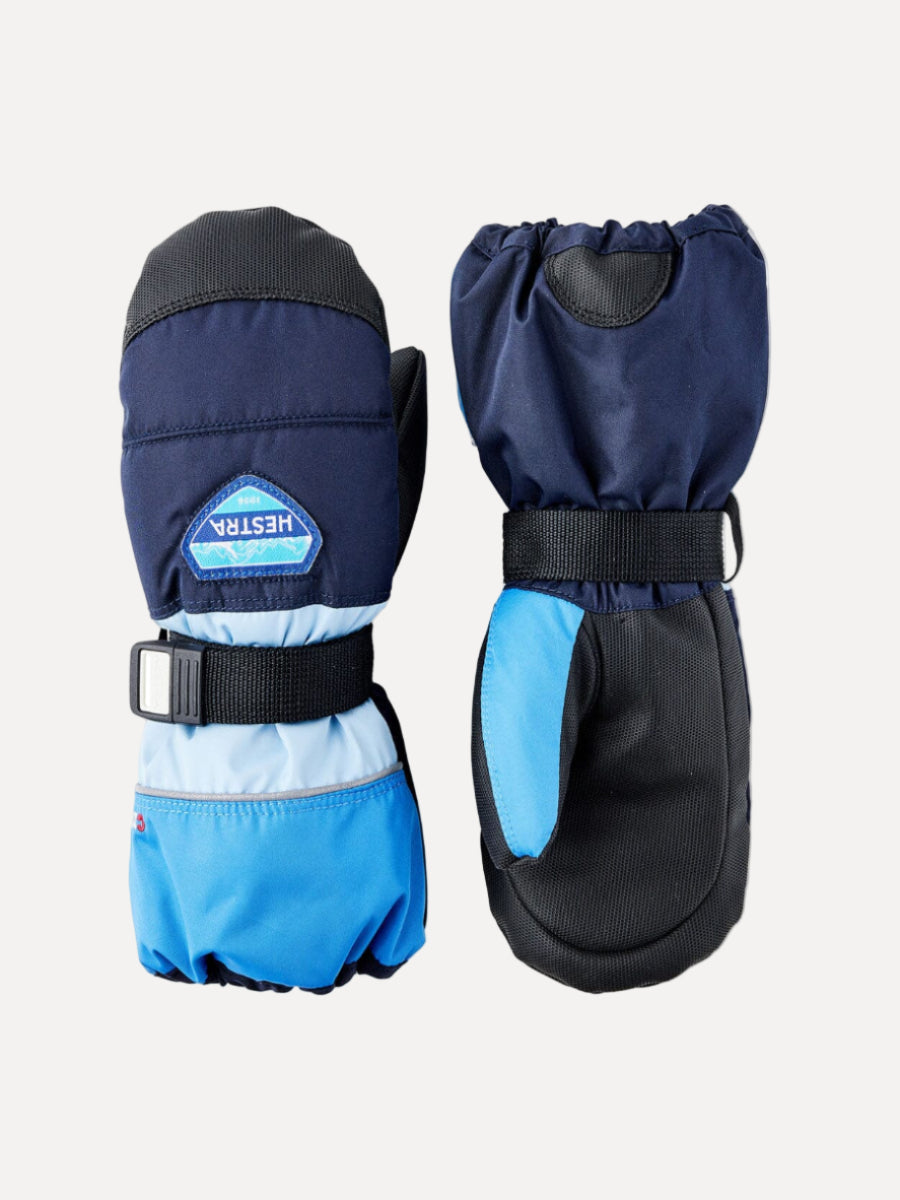
Long gauntlet (Heli Ski, Gore-Tex): goes over the sleeve. The right call for deep powder days, cat skiing, or anywhere snow gets in.
Sizing
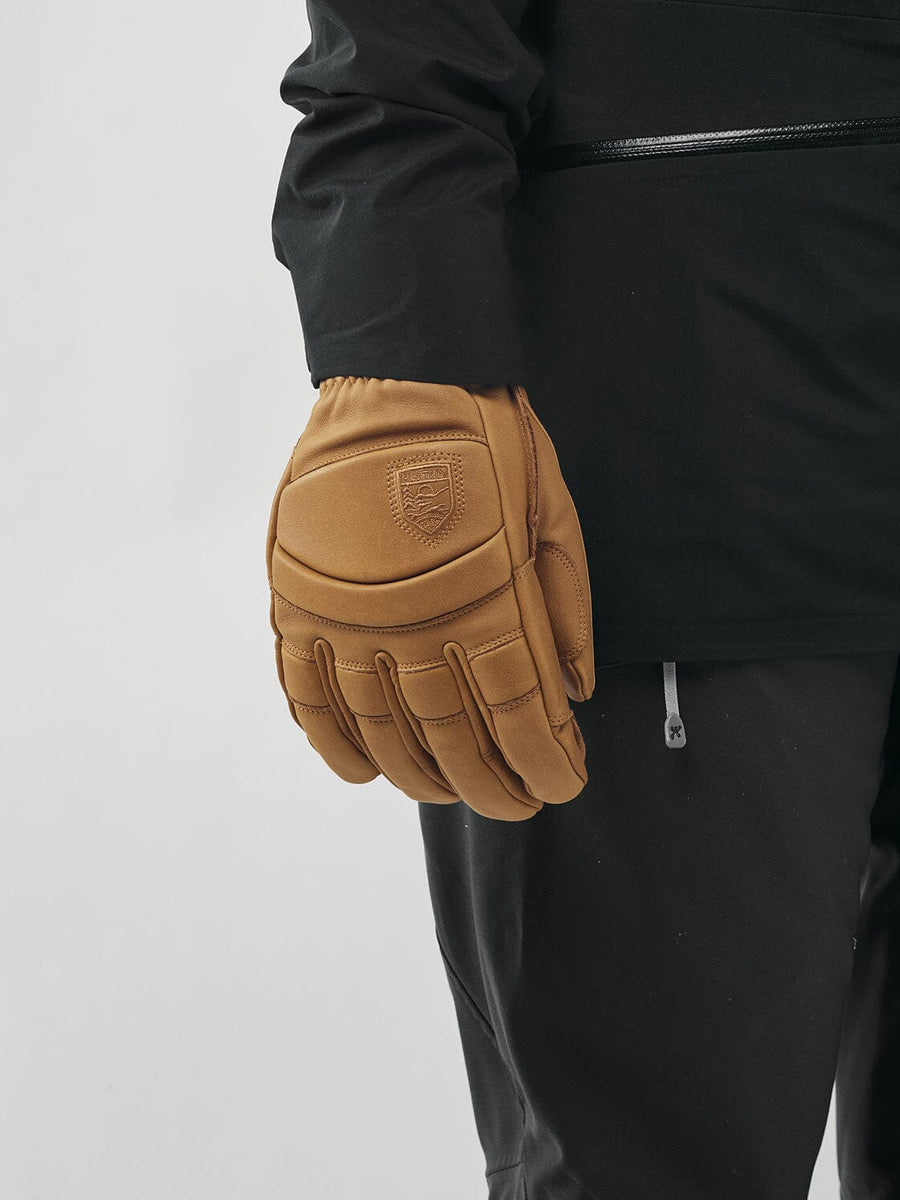
Hestra uses a classic European numerical sizing system — not S/M/L — developed in France several hundred years ago based on the principle that palm circumference reflects overall hand proportions.
How to measure: Wrap a tape measure around your hand just below the knuckles, excluding the thumb. No tape measure? Use a piece of string, then measure it against a ruler. Match your measurement to the size guide on each product page.
For sport gloves: The glove should have a small amount of space between hand and material — that trapped air is part of the insulation system. A sport glove that is too tight will actually feel colder because compression reduces insulation. If you are between two sizes, go larger.
For dress gloves: Fine leathers like cashmere, wool-lined or unlined styles should fit closely from the start — the material naturally shapes to the hand and will stretch slightly with use. If you are between sizes in a dress glove, the smaller size is recommended.
Glove Care: How to Make Them Last
Leather is a natural material that rewards care. Treat it well and a pair of Hestra gloves will last for years — multiple seasons, not one. The basics are simple.
Cleaning sport gloves: Use a damp cloth and a high-fat soap to remove stains. This cleans without drying out the leather. Never put leather gloves in a washing machine and never dry them with direct heat — a radiator or direct sun will damage the leather permanently. Dry upright at room temperature. If your glove has a removable liner, take it out — it dries faster separately, and wool liners should always be hand-washed and laid flat.
Reconditioning: Once fully dry, treat with Hestra Leather Balm. This is what keeps goatskin and cowhide sport gloves supple and water resistant over time. Do it at the start of the season and once during the season after heavy use. It takes five minutes and adds years to the glove.
Cleaning dress gloves: Fine leather dress gloves are washed similarly to washing your hands — put them on, submerge in lukewarm water, use a gentle soap with natural fats, rinse thoroughly, press out excess water (no wringing), and lay flat to dry at room temperature. Once dry, treat with Hestra Leather Lotion — a lighter, nourishing formula suited to fine leathers including deerskin, lamb nappa, elk and peccary.
Suede gloves: Do not wash. Maintain the surface with regular impregnation to protect against moisture and dirt.







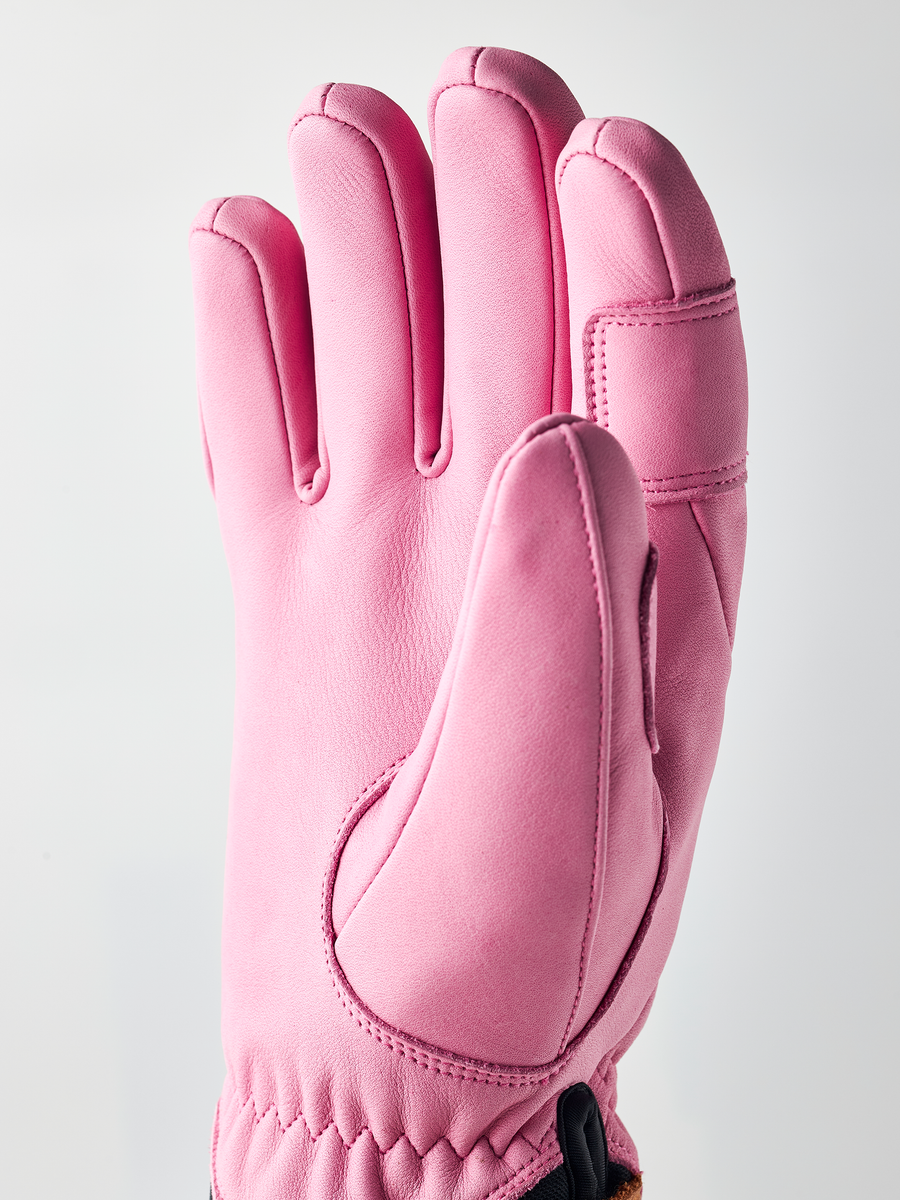
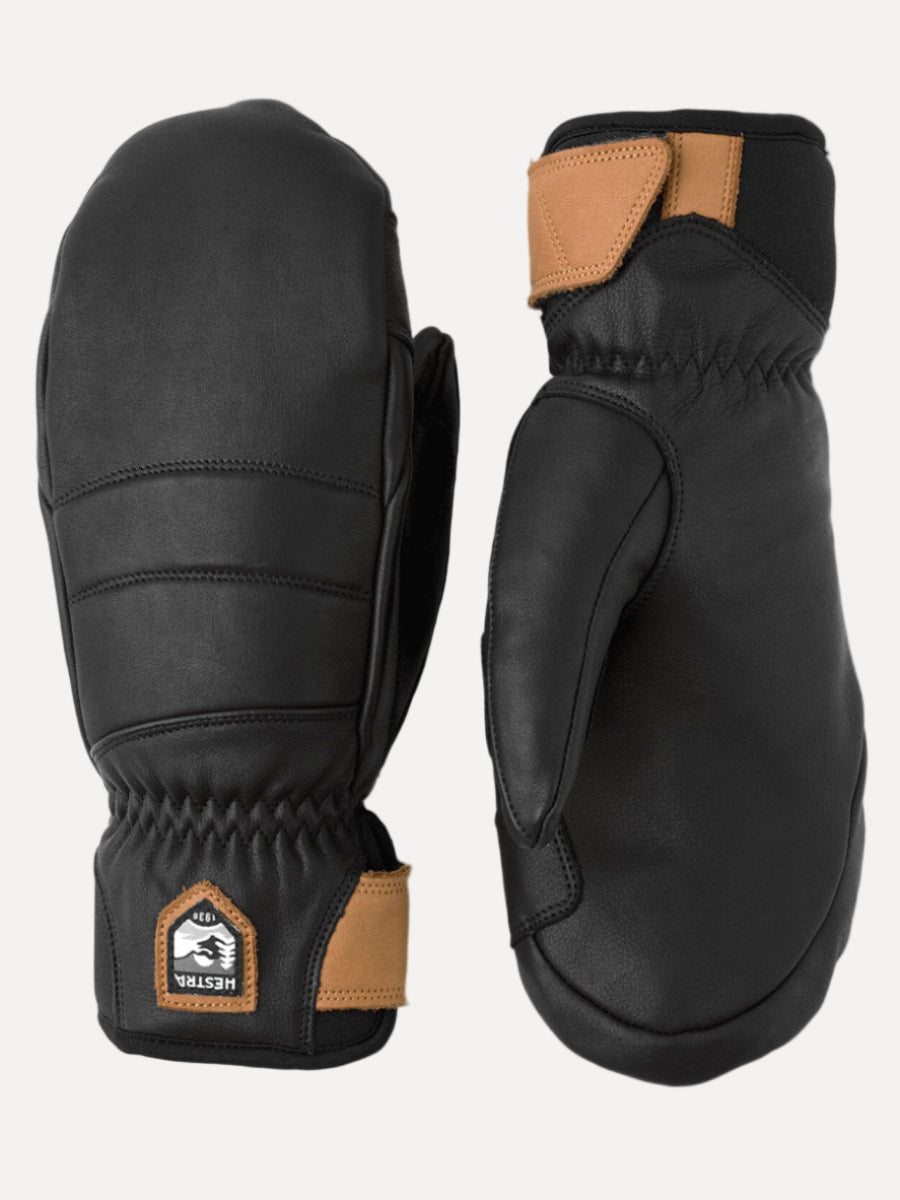
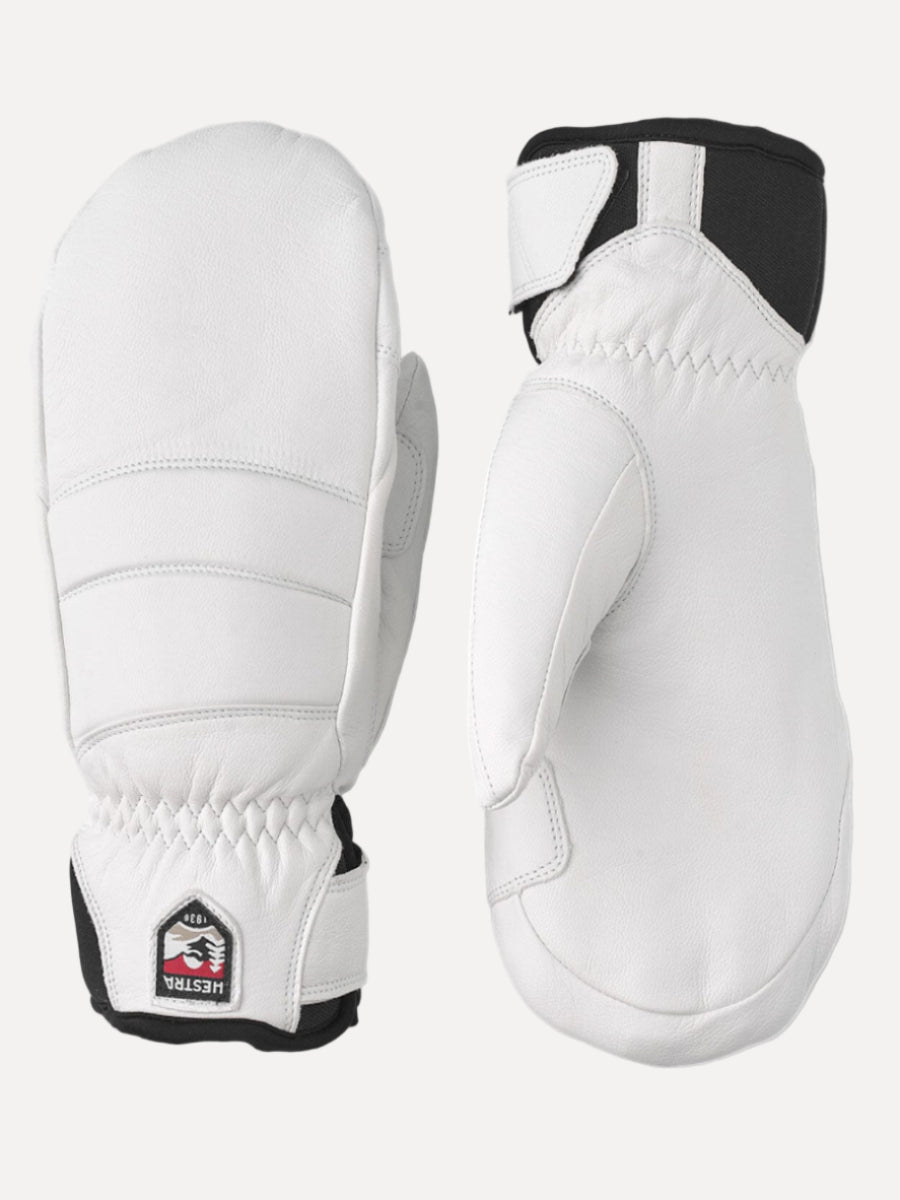

Layer, Fit, Care, Repeat
Not every Hestra glove is right for every skier or every day. The Fall Line and the Heli Ski are different tools built for different conditions. A liner makes a meaningful difference on a genuinely cold day. Getting the size right matters more than most people realise — one size too small and you've compressed the insulation that was supposed to keep you warm. We stock the full Hestra range at Snowsport and we've skied in them. If you're not sure which combination suits your skiing, your conditions, or your hands — come in and ask us.


